


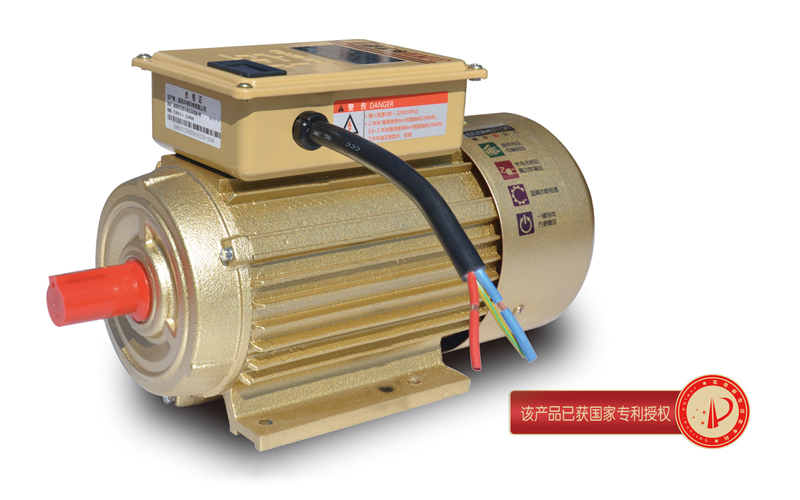
Overvoltage protection of single-phase asynchronous motors
Overvoltage protection for single-phase asynchronous motors refers to the protective measures taken to prevent damage to the motor due to overvoltage when the power supply voltage exceeds 110% of the rated voltage of the motor. Generally, overvoltage protection relays or overvoltage protectors are used for protection.
The principle of overvoltage protection is that when the power supply voltage exceeds 110% of the rated voltage of the motor, the overvoltage protection relay acts to cut off the power supply of the motor, thereby protecting the motor from overvoltage damage. The principle of an overvoltage protector is similar, except that the overvoltage protection relay is integrated into the protector for more convenient use. When installing overvoltage protection, the following points should be noted:
Ensure that the power supply voltage is within the rated voltage range of the motor, in order to prevent the motor from operating normally due to low voltage.
Choose a suitable overvoltage protection relay or overvoltage protector based on the rated voltage of the motor.
When installing overvoltage protection, attention should be paid to ensuring its sensitivity and reliability to avoid motor damage due to protection failure.
Regularly inspect the overvoltage protection device to ensure its normal function.
In summary, overvoltage protection for single-phase asynchronous motors is an important protective measure that can effectively prevent motor damage due to overvoltage and ensure the normal operation of the motor.



 Public security filing: