


The speed regulation principle of three-phase asynchronous motors
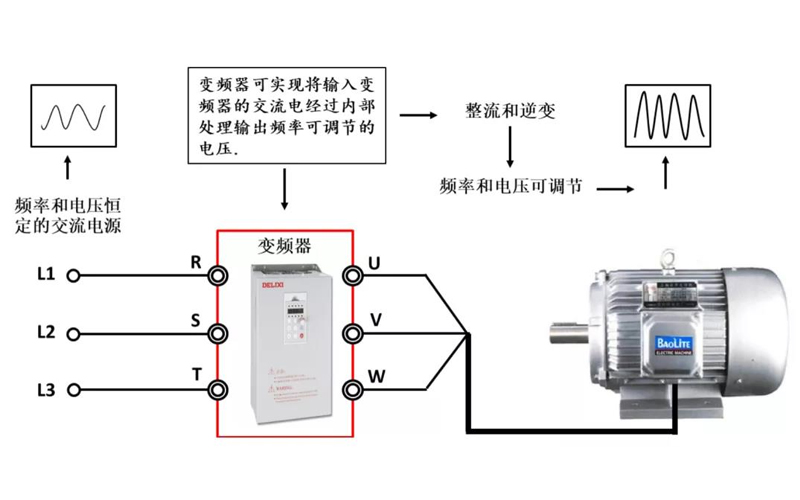
Variable frequency speed regulation is widely used in both industrial enterprises and daily life, such as variable frequency air conditioners, elevators, industrial production lines, constant pressure water supply, etc., which are controlled by frequency converters! Do you understand the working principle of frequency converters?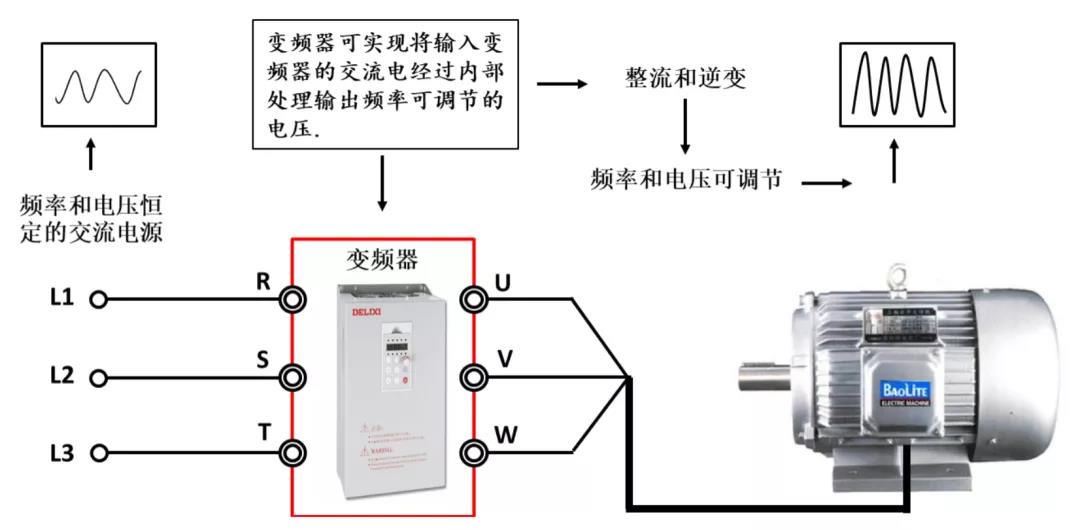
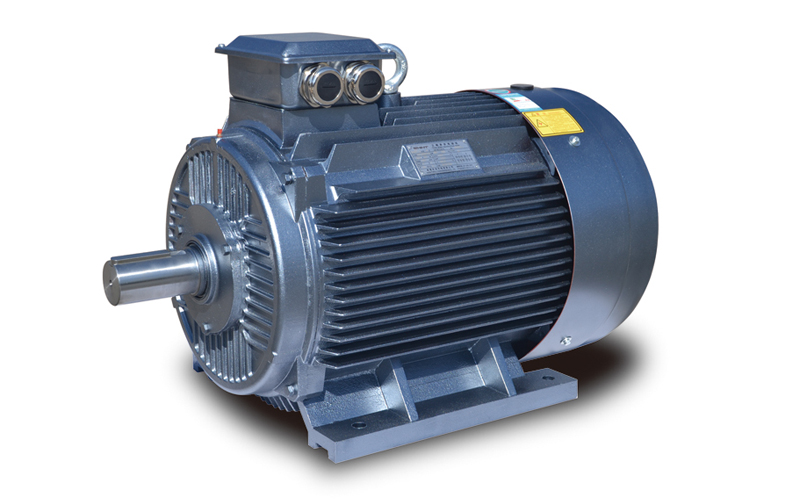
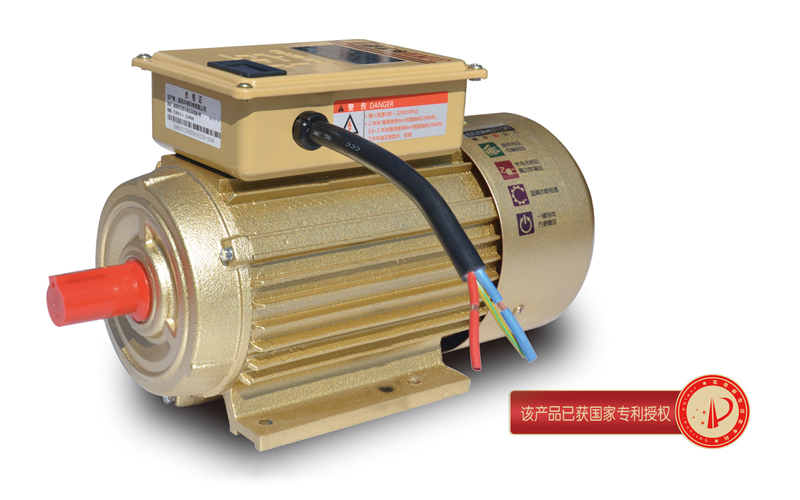
Before understanding the frequency converter, first understand the working principle of the motor. In the field of electrical engineering, three-phase asynchronous motors are not very prominent and were invented more than a decade later than direct current. However, they are widely used in the field of electric power and belong to the later generation. The condition for the rotor to generate induced electromotive force and induced current is that the rotor winding must cut magnetic field lines.
So, the speed of the rotor is always lower than the speed of the rotating magnetic field, so it is called an asynchronous motor. According to the principles of electrical engineering, the formula for the rotational speed of the motor's magnetic field can be derived as, where n0 is the synchronous speed, f is the frequency of the power supply, and P is the logarithm of the magnetic field. When the logarithm of magnetic JI of the motor is constant, the frequency of synchronous speed is proportional to the speed. At the rated frequency, the relationship between synchronous speed and the logarithm of magnetic JI is shown in the table below:

Because there is a speed difference between the actual speed of the motor and the speed of the rotating magnetic field, the formula △ n=n0-nm can be derived. Based on this formula, the ratio of the slip rate to the speed difference and synchronous speed can be derived.

So from the formula derived above, it can be seen that the factors that can change the speed of three-phase asynchronous motors include: P-magnetic JI logarithm, S-slip rate, and f-frequency.
The first type of magnetic JI logarithm P: The commonly used two speed motors and three speed motors use the principle of changing the magnetic JI logarithm to achieve the change of three-phase asynchronous motors. However, changing the number of magnetic JI pairs has a drawback, such as changing from second level to fourth level, which directly reduces the speed from 3000 rpm to 1500 rpm. The speed difference is too large, and the mechanical structure of general equipment cannot meet the requirements!
The second type of slip rate S: Generally, the speed of the rotating magnetic field of a two-stage motor is 3000 rpm. However, observant friends may notice that the actual speed indicated on the nameplate may be 2880r/min. Therefore, there is a difference between the actual speed and the speed of the rotating magnetic field that can be used for speed regulation. However, due to the small speed regulation range and limited application, commonly used examples include slip motors.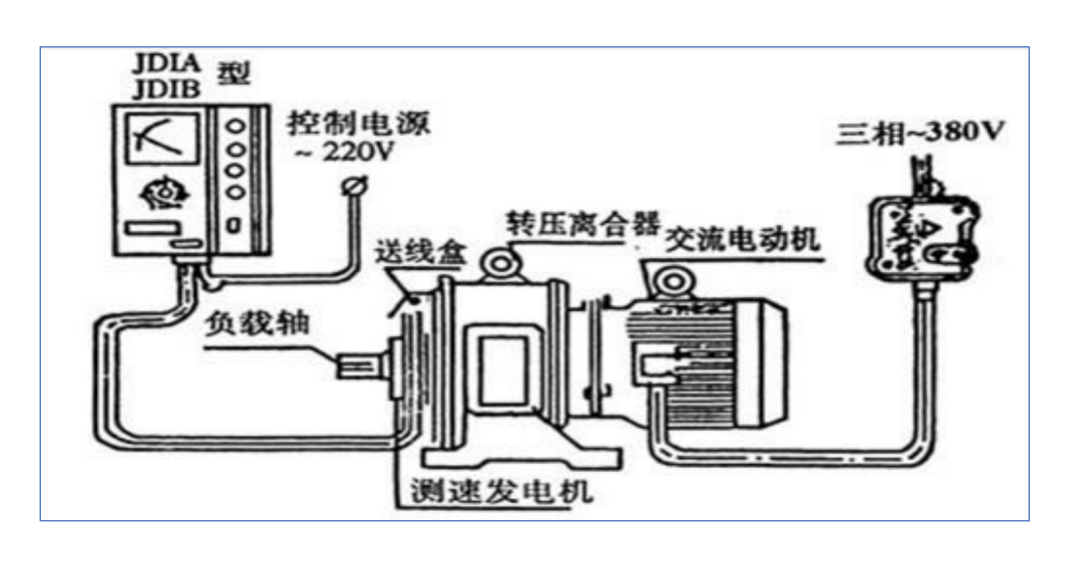
The third type of frequency converter speed regulation f: Frequency converter speed regulation only requires changing the frequency of the input motor to achieve JI free speed regulation of the motor, and the speed regulation range is wide, up to 400Hz. With the development of semiconductor devices, frequency converters are increasingly used in various industries. They have the advantages of simple control, practical functions, convenient wiring, and complete protection, and are widely used in industrial equipment!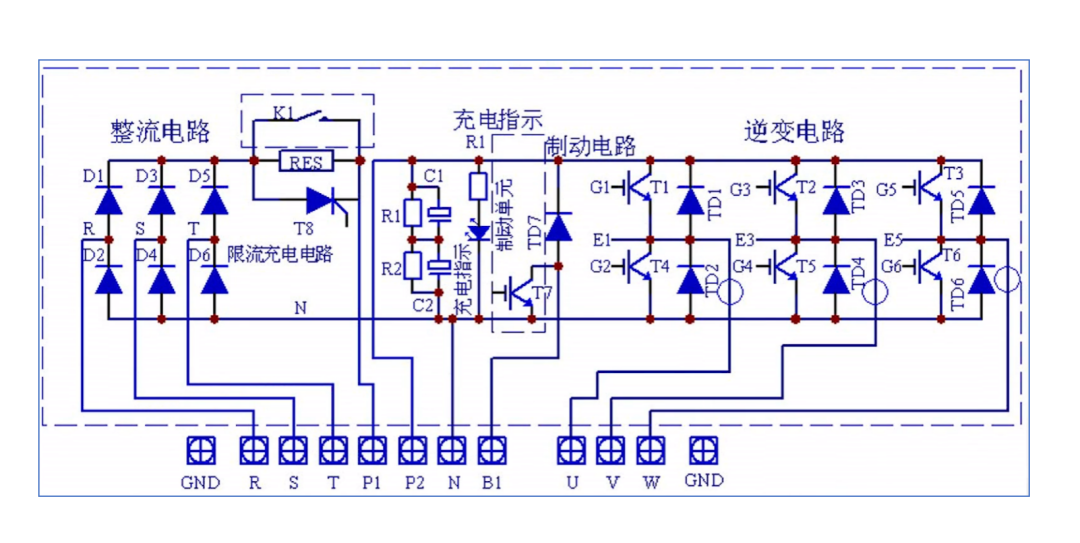


 Public security filing: